

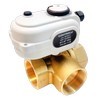
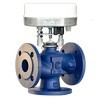
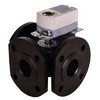
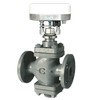


m³/h Değerine Göre Motorlu Vana Kapasite ve Çap Seçimi
Vana kapasitesini hesaplamak ve doğru vana çapını seçmek için lütfen aşağıdaki hesaplama alanlarına gerekli bilgileri giriniz.
Sistemdeki sıcaklık farkı (°C) ve basınç kaybı (kPa) değerleri bilinmiyorsa, aşağıdaki standart değerler kullanılabilir:
- Isıtma sistemleri için: Sıcaklık farkı: 20 °C, Basınç kaybı: 10 kPa
- Soğutma sistemleri için: Sıcaklık farkı: 5 °C, Basınç kaybı: 20 kPa
Hesaplanan Kvs değerinden daha düşük değere sahip bir vana kullanılmamalıdır. Seçilen vananın tesisat boru çapından bir veya en fazla iki çap küçük olması normaldir.
Vana Kapasite Hesaplama
HVAC Uygulamalarında Doğru Motorlu Vana Seçimi
HVAC tesisatlarında motorlu vanalar, akışkan debisinin kontrol edilmesi ve ortam sıcaklığının şartlandırılması için kullanılan en önemli ekipmanlardan biridir.
Motorlu vanalar, temel görevlerinin yanı sıra günümüzde pazar ihtiyaçları ve rekabet koşullarına bağlı olarak ek fonksiyonlara da sahip olabilir. Bu fonksiyonlar arasında diferansiyel basınç yönetimi ve debi kontrolü yer alır. Bu özellikler sıcaklık konforunun korunması açısından önemlidir.
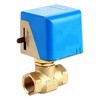
Bu yazıda yalnızca sıcaklık kontrolüne göre çalışan motorlu vanaların seçim ve kontrol parametreleri ele alınmaktadır. Motorlu kontrol vanaları; aktüatör çalışma prensipleri, yol sayıları ve fonksiyonel farklılıklarına göre çeşitli sınıflara ayrılır.
Motorlu Vanaların Temel Çalışma Prensibi
Saha uygulamalarında sık karşılaşılan bir ısıtma sistemi örneği üzerinden motorlu kontrol vanası sistem şemasını ele alalım. Tipik bir konut ısıtma tesisatında sistem, primer devre ve sekonder devre olmak üzere iki devreden oluşur.
Bu iki sistemi birbirinden ayıran eşanjör, primer tarafta bulunan motorlu kontrol vanası sayesinde sekonder tarafta istenen sıcaklık set değerinin sağlanmasına yardımcı olur. Motorlu vana elektronik bir kontrol cihazı tarafından yönetilir. Sistem sıcaklık değerlerini karşılaştırır ve gerekli kontrol sinyalini motorlu vanaya gönderir.
Vana Kontrol Karakteristikleri
Vana karakteristiği, sabit basınç altında vana strok pozisyonu veya açıklığı ile vanadan geçen debi arasındaki ilişkiyi ifade eder. Lineer, logaritmik ve split karakteristik gibi farklı karakteristikler uygulama ihtiyacına göre seçilir.
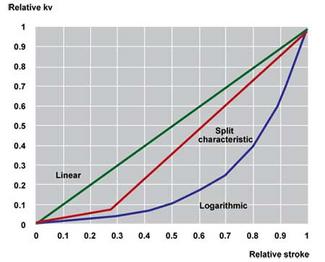
Sektörde yaygın olarak kullanılan logaritmik karakteristikli motorlu vanaların temel amacı, logaritmik karakteristiğe sahip ısı terminal ünitelerinde daha dengeli ve daha lineer bir ısı transfer kontrolü sağlamaktır.
Vana Kontrol Teorisi
Motorlu kontrol vanası seçiminde karşılaşılan en önemli tanımlardan biri Kvs değeridir. Motorlu vana çaplandırmasında Kvs değeri, debi ve vana üzerindeki diferansiyel basınç ile ilişkilidir.
Bu nedenle vana seçimi yalnızca boru çapına göre yapılmamalıdır. Kapasite; vanadan geçen debinin ve vana üzerindeki basınç farkının bir fonksiyonudur.
Vana aktüatörünün vana üzerindeki diferansiyel basıncı kontrol edebilmesi için seçilen çapta aktüatörün maksimum çalışma diferansiyel basınç değeri mutlaka kontrol edilmelidir.
Vana Otoritesi
Vana otoritesi, vananın bulunduğu tesisattaki toplam basınç kaybı içinde vana basınç kaybının oranını ifade eden boyutsuz bir terimdir. Vana otoritesinin yüksek olması, vananın daha kararlı çalışmasını ve daha hassas sıcaklık kontrolü sağlamasını mümkün kılar.
- 3 yollu vanalar için: Vana otoritesinin tercihen %30’dan büyük olması önerilir.
- 2 yollu vanalar için: Vana otoritesinin tercihen %50’den büyük olması önerilir.
On/Off Kontrol
On/off motorlu vanalar, akışkan geçişine tamamen izin vermek veya akışı tamamen durdurmak için kullanılır. Genellikle tesisatta bir hattı kapatma veya izole etme amacıyla tercih edilir.
3 Nokta Kontrol
3 nokta kontrollü vanalarda, sistemden gelen aç, kapa veya dur sinyalleri ile vana mili istenen pozisyona hareket ettirilir. Bu yöntem, daha düşük hassasiyetli kontrolün yeterli olduğu tesisatlarda kullanılabilir.
Oransal Kontrol
Oransal kontrol, hassas kapalı çevrim tesisatlarda kullanılan en yaygın kontrol yöntemlerinden biridir. Kontrol sinyali 0(4)-20 mA veya 0(2)-10 V olarak iletilir. Düşük debilerde dahi hassas kontrol sağlayabildiği için değişken akışkan şartlarında tercih edilir.
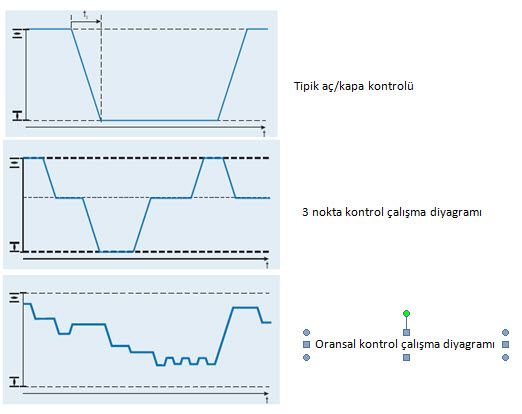
Özetle, motorlu kontrol vanası seçiminde en önemli parametre uygulama için gerekli vana gövde kapasitesinin doğru belirlenmesidir. Daha sonra tesisattaki vana otoritesinin uygun aralıkta olması, üretici tarafından belirtilen diferansiyel basınç kapama değerinin kontrol edilmesi ve uygulama hassasiyetine göre en uygun aktüatör kontrol tipinin seçilmesi gerekir.