


Fan Coil Systems and Operating Principles
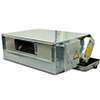
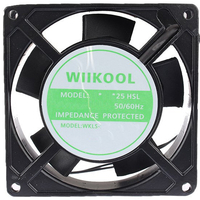
Fan coil units are air conditioning devices widely used in heating and cooling applications. They consist of two main components: a fan and a coil. The system operates based on the principle of closed-loop water circulation. The coils are supplied by a central boiler or chiller.
The air in the room is passed over the coil by the fan, where heat exchange takes place, and then it is supplied back into the room. In this way, the space reaches the desired temperature level.
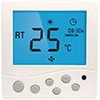
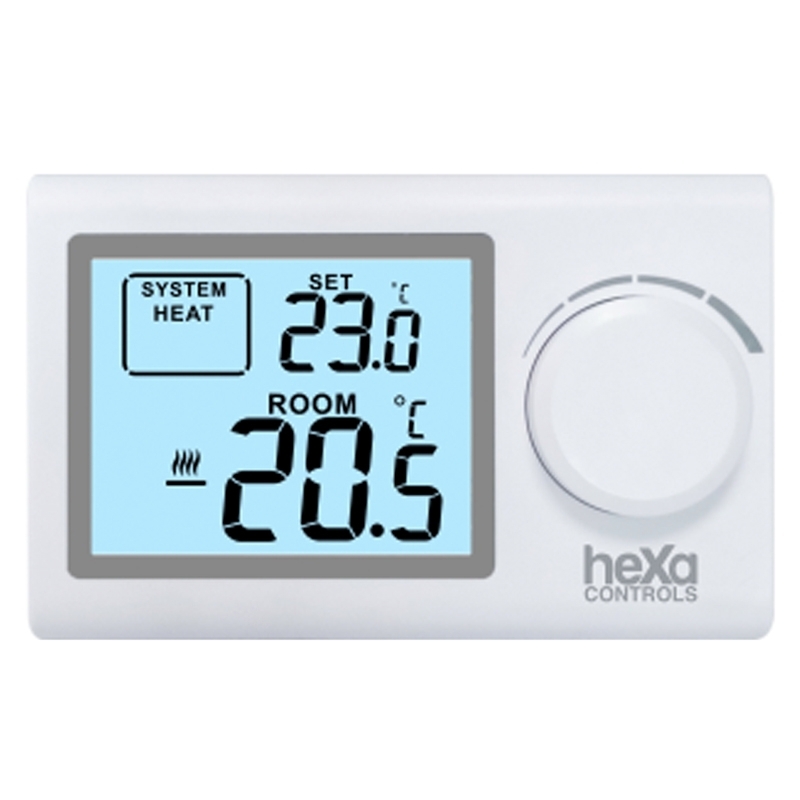
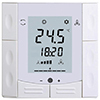
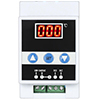
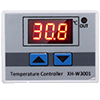
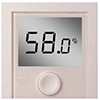
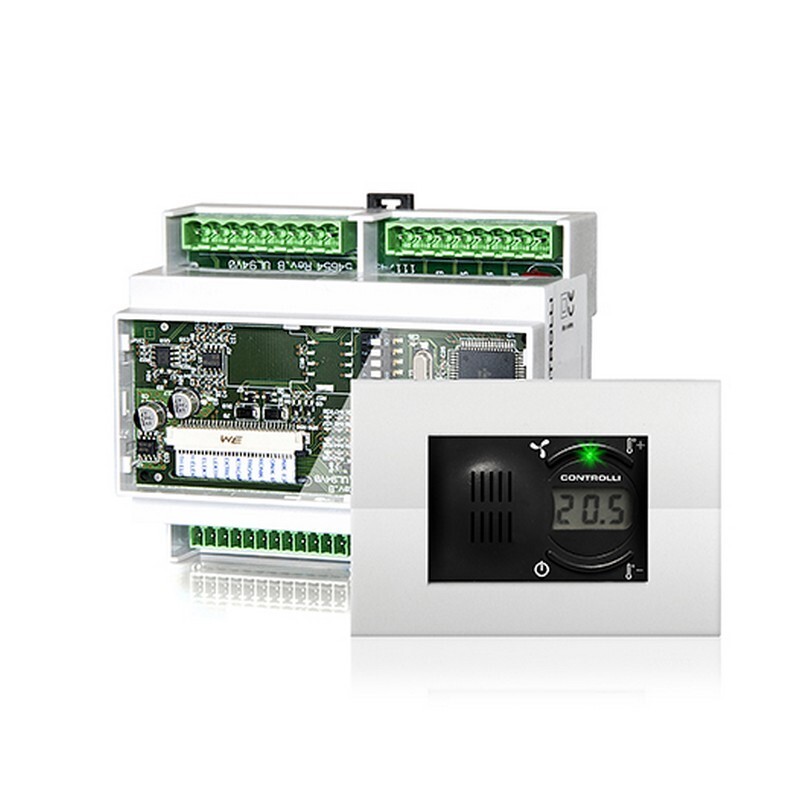
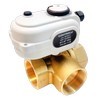
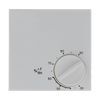
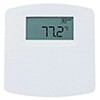
Fan coil systems are controlled through thermostats. Thermostats manage the water passing through the coil by means of motorized valves and keep the room temperature stable.
2-Pipe Fan Coil Systems
In 2-pipe systems, there is a single coil. Since this coil has one inlet and one outlet line, the system is called a “2-pipe” system. Heating and cooling water circulates through the same coil seasonally.
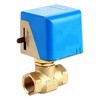
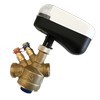
Control is generally provided by 230VAC powered On/Off motorized valves. In these systems, one motorized valve is sufficient. Ventilon FCVM series thermal actuators offer suitable solutions for valve control in fan coil applications.
4-Pipe Fan Coil Systems
In 4-pipe systems, there are two separate coils. Heating and cooling circuits operate independently from each other. Since each coil has its own inlet and outlet line, the system is defined as a 4-pipe system.
This structure provides the advantage of responding to different room requirements at the same time. Control is provided through motorized valves and suitable fan coil thermostats.
Thermostat Control in Fan Coil Systems
Heating / Cooling Mode
Fan coil systems can operate in heating or cooling mode according to seasonal requirements. With thermostats offering manual or automatic mode selection, the system switches on or off according to the room temperature.
Fan Speed Control
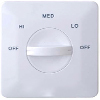
Standard fan coil applications use 3-speed fan motors. Fan speed can be controlled manually or automatically in some thermostat models.
Automatic Fan Control
The RT226-R4-BM model can automatically adjust the fan speed according to the difference between the room temperature and the set value.
Surface Mount / Flush Mount Installation
Thermostats are generally installed indoors at a height of approximately 1.5 meters from the floor. Surface-mounted models are installed directly on a flat wall, while flush-mounted models are installed in a suitable junction box.
Door / Window Contact
Contact inputs that can disable the system when a door or window is open are especially preferred in hotels and commercial projects for energy saving.
Modbus / BACnet / KNX
In large-scale projects, communicating thermostats are preferred due to the need for central control. This allows systems to be monitored and managed through BMS.
External Sensor Requirement
All thermostats have an integrated temperature sensor. In standard room control applications, there is no need to use an external sensor.
Weekly Scheduling and Timer Function
The weekly scheduling feature allows separate operating scenarios to be created for different days. The timer function performs automatic on or off operation at the end of the specified period.
Next Generation EC Fan Coil Systems
EC fan motors offer proportional control with 0-10V DC or 4-20mA signals. The fan speed is adjusted steplessly according to the difference between the room temperature and the set value.
When used together with proportional valve control, high precision and maximum energy efficiency can be achieved. For solutions with these features, the RT226-B25-B model can be reviewed.
